Golden Tiger Casino offers a mix of slots, table games and other casino-style entertainment. For new players in the United Kingdom, one of the most useful skills to develop before playing is reading odds. Odds help explain how a game may pay, but they do not predict what will happen in a particular round. Understanding that distinction makes it easier to compare games, set sensible limits and treat gambling as entertainment rather than a way to make money.
Before creating an account or depositing, check whether the operator currently accepts players from the UK and is authorised to serve them. Availability, terms and game selections can change. The Goldentigercasino UK Official Site should clearly identify the operating company, licensing information, applicable terms and responsible-gambling tools. Do not rely on a familiar brand name alone: verify the details directly and read the rules that apply to your location.
What casino odds tell you
In everyday language, “odds” can refer to the likelihood of an event happening, the amount a successful bet might return, or both. Casino games commonly present this information in different ways. A slot may display a theoretical return-to-player percentage, while a roulette game uses fixed payouts for individual bets. A blackjack table may show its rules but not a simple figure for every decision. Learning what each number means is more useful than treating all odds as interchangeable.
Probability and chance
Probability describes how likely an outcome is. A probability of 1 in 10 means that an event would occur, on average, once in ten comparable trials over a very large number of trials. It does not mean the event must happen on the tenth attempt. Each spin, deal or roll may be independent, depending on the game, and previous results generally do not make a particular future result “due.”
Some games let players estimate chances from their rules. A standard roulette wheel, for example, has a set number of pockets. A single-number bet can be compared with the total number of pockets to understand its chance of landing. The actual wheel format matters: European and American roulette have different pocket counts, so check which version is offered before drawing conclusions.
Fractional, decimal and American odds
Sports betting often uses formats that are less common in casino games, but the same basic ideas can help when reading promotional material or a game’s paytable:
- Fractional odds: 5/1 indicates a potential profit of five units for every one unit staked, if the selection wins. The original stake is typically returned as well, subject to the rules.
- Decimal odds: 6.00 represents the total return per unit stake, including the stake. A successful £1 bet at that price would return £6 in total: £5 profit plus the £1 stake.
- American odds: Positive figures show the profit on a £100-equivalent stake; negative figures show how much must be risked to make £100 profit. These are generally used for sports markets rather than standard slot paytables.
Always distinguish profit from total return. A displayed payout may include the original stake, or it may show winnings only; The game rules or help screen should explain which applies.
Reading slot returns and paytables
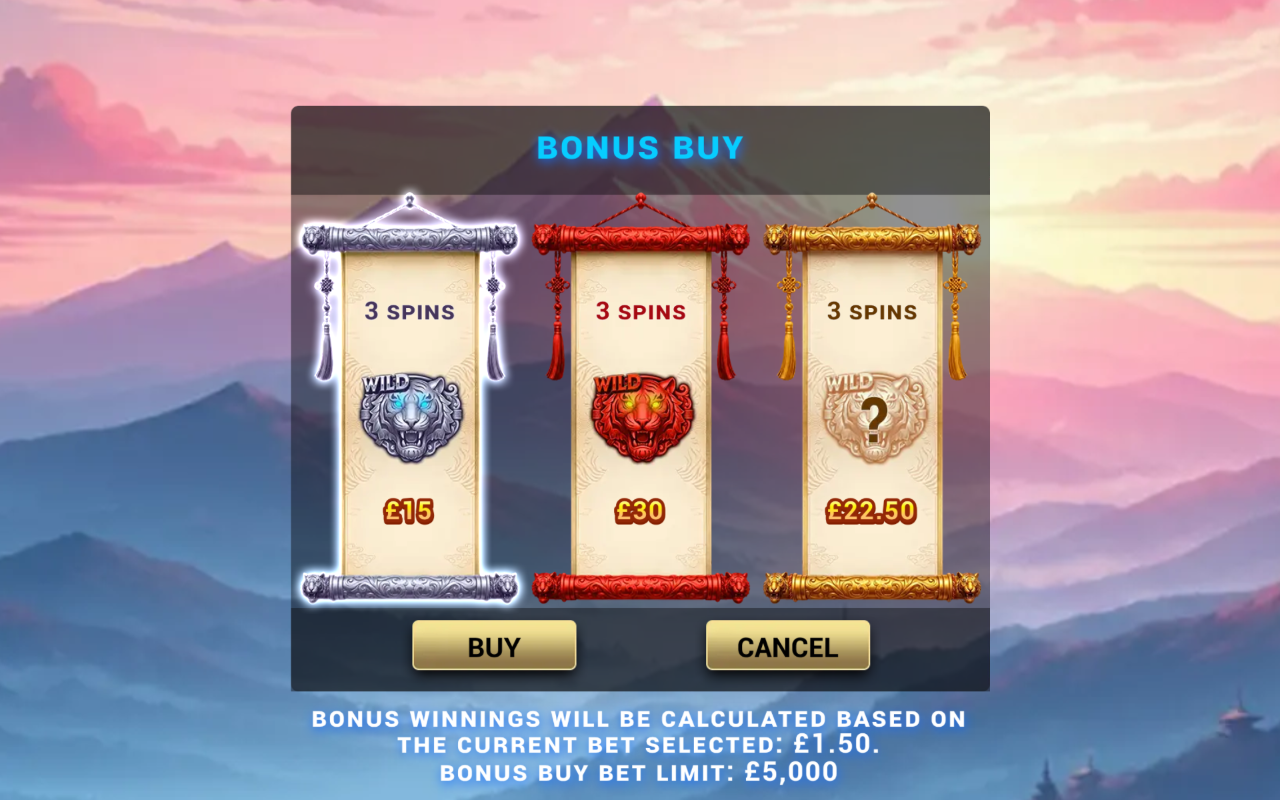
Slots do not usually give players odds in the same format as a sports market. Instead, look for the paytable, the game information panel and, where supplied, the theoretical return to player (RTP). The paytable describes winning combinations and their listed payouts. It may also explain wild symbols, bonus rounds, paylines and special features.
RTP is a long-run statistic
RTP is expressed as a percentage of stakes theoretically returned to players across an extremely large number of game rounds. If a slot has an advertised RTP of 96%, that does not mean a player will receive £96 back after staking £100, or that a particular session will return 96% of its stakes. Individual results can differ widely. The casino’s rules and the game information should identify the RTP version in use where multiple versions exist.
RTP also does not show the chance of winning on the next spin or guarantee that a bonus feature will appear within a certain number of spins. It is a mathematical description of the game over time, not a forecast. A slot’s volatility, sometimes described as variance, gives a broad indication of how its results may be distributed. Higher volatility can mean less frequent but potentially larger wins; lower volatility can mean smaller outcomes occurring more often. Neither characteristic ensures a profit.
What to check in a paytable
- Which symbol combinations pay, and whether symbols must appear on a particular payline.
- Whether the payout shown is multiplied by the total bet, the line bet or another stake measure.
- How wilds, scatters, free spins and bonus rounds work.
- Whether a feature has separate rules, eligibility conditions or maximum payouts.
- Where the game displays its RTP and complete rules.
Do not assume that two slots with similar themes or top prizes have similar odds. Their mathematics, volatility and bonus rules may be completely different.
Odds in table games
Table games often make the connection between a bet and its payout more visible, but the house edge still matters. The house edge is a theoretical measure of the casino’s advantage under specified rules and assumptions. It is not a fee charged on every individual bet and does not describe the outcome of one session. A lower house edge, where accurately stated and relevant to the rules, does not make a game risk-free.
In blackjack, for instance, the rules can affect the game’s mathematical return: the number of decks, whether the dealer hits or stands on a soft 17, and what happens after a split can all matter. The result also depends on player decisions. Read the table rules and use only reliable strategy information; no strategy removes the possibility of losing.
Roulette payouts are easy to recognise, but the wheel layout changes the probability behind a bet. In baccarat, the available bets have different outcomes and payout rules, including possible commission. For any table game, check the rules shown in the game itself rather than relying on an assumption based on another casino’s version.
Compare numbers without being misled
A headline prize can make a game look attractive, but it says little about the chance of receiving that prize. Similarly, a large payout for a rare outcome should not be confused with a favourable overall return. Compare like with like: the same game type, the same rules and the same measure of probability or return. If information is missing or unclear, pause and ask support to point you to the official rules before staking money.
Promotions require the same care. A bonus is not automatically cash that can be withdrawn. Check the eligible games, minimum deposit, wagering requirements, maximum bet while wagering, expiry date and withdrawal restrictions. Bonus terms can affect how a balance is treated, and an advertised figure should never be used as a reason to stake more than planned.
A simple example of reading a payout
Suppose a game lists a successful outcome at 4 to 1. If the notation means four units of profit for each unit staked, a £2 winning bet would produce £8 profit, plus the £2 stake if returned. That is £10 in total. But this payout figure alone does not tell you how likely the outcome is. To assess the bet, you would also need the game rules and the probability of that result. A high payout can correspond to a low chance of winning.
For slots, a paytable example might list a combination as paying 20 times the bet; Confirm what “the bet” refers to. If it means a total stake of £1, the stated win may be £20, but the game’s display should clarify whether that is the complete payout or profit in addition to the stake. Never infer a game’s full odds from one prize line.
Before you play: a practical checklist
- Confirm that the casino is legally available to you and verify the operator and licence details through official sources.
- Open the game’s rules and paytable before placing a real-money bet.
- Identify what the odds, payout figures or RTP actually measure.
- Set a spending limit and a time limit in advance; never use money needed for essentials.
- Check deposit limits, loss limits, time-outs and self-exclusion options in the account settings.
- Stop if gambling is affecting your finances, mood or relationships, and seek support.
Where available, try a free-play mode to learn the interface and rules. Free play cannot demonstrate what your real-money results will be, but it can help you understand how a game works without risking a deposit. If you do play for money, choose an amount you can afford to lose and avoid chasing losses or increasing stakes to recover them.
Questions and answers
Does a high RTP mean I will win?
No. RTP is a long-run theoretical measure, not a promise about an individual session. Short-term results can be higher or lower, and you can lose your entire stake.
Can I work out when a slot is about to pay?
No reliable method can predict the next result of a properly functioning random-number-based slot. A sequence of losses does not make a win due, and past outcomes should not be treated as a forecast.
Are advertised odds the same as a guarantee?
No. Odds and payouts describe potential outcomes under stated rules. They do not guarantee that an outcome will occur or that a player will make money.
What should I do if I cannot find a game’s rules?
Do not guess. Look for the information or help button, check the casino’s official game details, or contact customer support. If the rules and terms remain unclear, choose not to play.
Play with informed expectations
Reading odds is about understanding uncertainty, not finding a way to beat every game. Probability explains how likely an outcome may be; payout figures show what a successful bet could return; RTP and house edge describe long-run mathematical properties under specific conditions. None tells you what will happen next. By checking game rules, comparing figures carefully and setting firm limits, UK players can make more informed choices and keep casino play within its proper place as paid entertainment.